Buying Kids Glasses: A Parent's Complete Guide
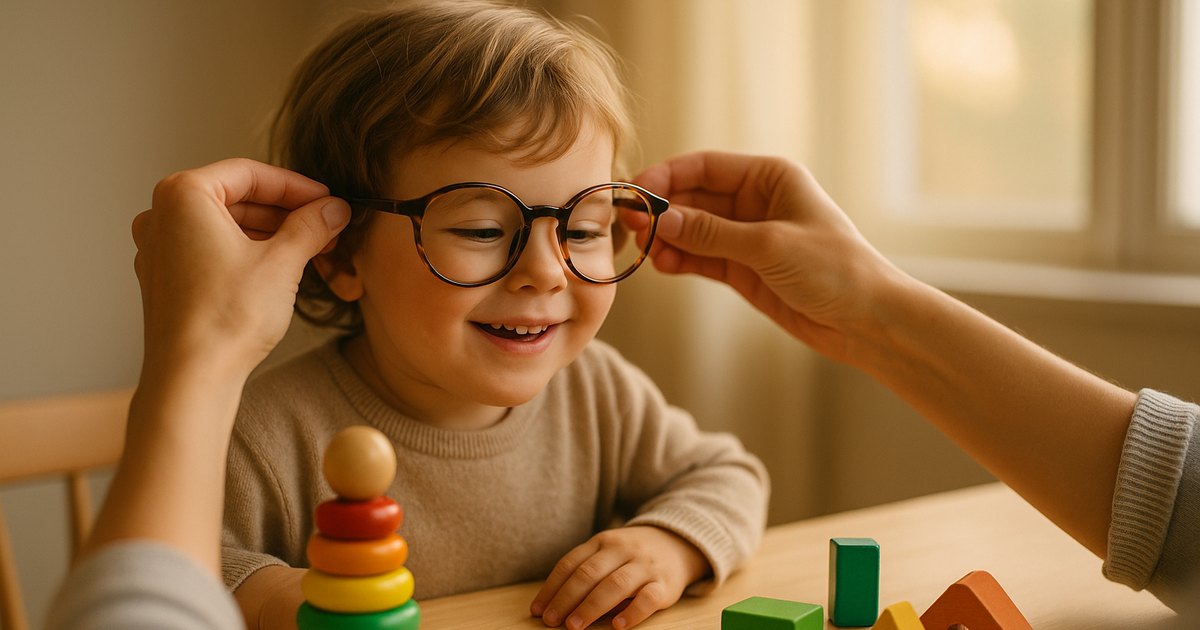
Buying glasses for a child comes with a unique set of challenges. Kids are hard on eyewear, they outgrow frames quickly, and getting a child to actually wear their glasses requires frames they like. Add the need for durable, safe lenses and the desire not to spend a fortune on something that might get sat on next week, and you have a shopping experience that demands some research. This guide covers everything parents need to know.
What to Look for in Kids Frames
Material Matters Most
For children under 10, flexible frames are non-negotiable. The best options are:
- TR-90 nylon: A thermoplastic material that is extremely lightweight, flexible, and hypoallergenic. It bends without snapping and returns to its original shape. This is the gold standard for kids frames.
- Silicone/rubber: Even more flexible than TR-90, these are ideal for toddlers and young children. Brands like Miraflex specialize in rubber frames for very young kids.
- Acetate: Suitable for older kids (10+) who are more careful with their glasses. Acetate is durable and comes in fun colors but is less flexible than TR-90.
Avoid thin metal frames for children under 8. They bend out of shape easily, and the nose pads can cause discomfort or skin irritation with active play.
Spring Hinges Are Essential
Spring hinges (also called flex hinges) allow the temple arms to bend outward past 90 degrees without breaking. For kids who pull their glasses off one-handed, toss them on desks, or stuff them in backpacks, spring hinges dramatically extend the life of a frame. Always look for this feature.
Proper Fit
Ill-fitting glasses are the number-one reason kids resist wearing them. Key fit points:
- Frame width: Should match the child's face width. Frames that are too wide slide down; too narrow squeeze.
- Bridge fit: Kids have smaller, flatter nose bridges than adults. Look for frames with built-in saddle bridges rather than separate nose pads.
- Temple length: Should wrap slightly around the ear. Cable temples (that curl behind the ear) are great for active young children.
Choosing the Right Lenses
For children, lens safety is more important than lens thinness or cosmetic appearance.
- Polycarbonate: The recommended lens material for all children. It is 10x more impact-resistant than standard plastic, inherently blocks UV light, and is lighter than glass. The American Academy of Ophthalmology recommends polycarbonate for all pediatric eyewear.
- Trivex: Similar impact resistance to polycarbonate with slightly better optical clarity. A bit pricier but an excellent choice for strong prescriptions where clarity matters.
- Anti-scratch coating: Essential for kids. Even polycarbonate scratches if dropped on concrete or cleaned with a t-shirt. Anti-scratch coating extends lens life significantly.
Getting Kids to Wear Their Glasses
The best glasses are useless if your child refuses to wear them. Strategies that work:
- Let them choose. Involve your child in the selection process. If they pick frames they love (whether that means bright red, superhero-themed, or just like Mom's), they are far more likely to wear them.
- Start gradually. For first-time wearers, start with short periods (30 minutes) and gradually increase. Do not force all-day wear immediately.
- Make it positive. Point out other people (real or fictional) who wear glasses. Normalize it rather than treating it as a problem to be fixed.
- Ensure comfort. If your child complains about headaches or dizziness with new glasses, have the prescription rechecked. Mild adjustment discomfort for a day or two is normal; ongoing discomfort is not.
Where to Buy Affordable Kids Glasses
Online retailers offer significant savings on children's eyewear. Many of the same stores that sell affordable adult glasses have dedicated kids lines:
- Eydology offers a selection of durable kids frames with polycarbonate lenses included. Browse kids frames.
- Zenni has the largest selection of kids frames starting at $6.95, though quality varies at the low end.
- Pair Eyewear specializes in kids glasses with interchangeable magnetic toppers that let children change their frame style daily.
Given how frequently kids need new glasses (every 12-18 months on average), buying two pairs at a time from an affordable online retailer makes financial sense. Keep one at home and one in the backpack. See our deals page for current discounts.
When to See the Eye Doctor
The American Academy of Ophthalmology recommends comprehensive eye exams at:
- 6-12 months of age
- 3-5 years of age
- Before first grade, and annually thereafter if correction is needed
Warning signs that your child may need glasses: squinting, sitting too close to screens, frequent headaches, losing their place while reading, or tilting their head to see.
Find durable, affordable kids frames.
Shop Kids Glasses →Sources and further reading
Independent references for checking the safety, rules and buying details covered in this guide. We are not affiliated with these organizations.
Frequently Asked Questions
- At what age should a child start wearing glasses?
- Children can wear glasses at any age, including infancy, if prescribed by an eye doctor. Most children who need vision correction are diagnosed between ages 3-7.
- What is the most durable kids frame material?
- Flexible TR-90 nylon and rubber-coated frames are the most durable. They bend without breaking, resist impact, and bounce back to shape.
- How often should kids get new glasses?
- Annual eye exams are recommended. Expect to replace glasses every 12-18 months due to prescription changes, growth, or wear and tear.
- Are polycarbonate lenses necessary for kids?
- Yes. Polycarbonate or Trivex lenses are recommended for all children due to superior impact resistance and built-in UV protection.